
Ford Maverick vs. Ford Ranger: Which Compact Truck Fits Your Life?

VS
Ford Maverick vs. Ford Ranger: Which Compact Truck Fits Your Life?
Size, construction, fuel economy, towing, bed space, and price, side by side for 2026.
Ford’s compact truck lineup includes multiple choices for consumers. After learning more about consumers’ needs, you can determine which model is a good fit for you. The Ford Maverick and Ford Ranger are two Ford trucks with different uses.
Employees at Lindquist Ford often assist consumers in comparing the Maverick and Ranger to help them choose the right truck. The main consideration is how much truck you need every day. Here’s more information about the Ford Maverick and the Ford Ranger and which compact truck may best fit your life.
Key Takeaways
- 01The 2026 Ford Ranger is 210.6 inches long and the 2026 Ford Maverick is 199.8 inches long, so the Maverick is easier in parking structures, residential garages, and parallel parking on city streets.
- 02The Maverick uses unibody construction for a quieter, more comfortable, carlike ride. The Ranger uses body-on-frame construction for better towing and payload capacity, stability, and a better ride while towing.
- 03The 2026 Maverick’s standard 2.5-liter hybrid is EPA-estimated at 42 mpg city, 35 mpg highway, and 38 mpg combined in front-wheel drive. Standard Ranger ratings are 21 city and 25 highway.
- 04The 2026 Ranger can tow up to 7,500 pounds with optional equipment, nearly twice the 2026 Maverick’s 4,000 pounds with the 4K Tow Package.
- 05The 2026 Maverick’s base price is $28,145 and the 2026 Ranger’s is $33,350. Similar models show the Maverick costs $5,000 to $7,000 less.
Maverick vs. Ranger, Number by Number
199.8 in.
210.6 in.
68.8 in.
73.9 in.
8.1 in.
9.3 in.
184 hp
270 hp
35 mpg
25 mpg
4,000 lb
7,500 lb
1,500 lb
1,805 lb
54.4 in.
59.6 in.
42.6 in.
48.2 in.
33.3 cu. ft.
43.5 cu. ft.
$28,145
$33,350
Size and Activity Advantages: 11 Inches of Difference to the User Each Day
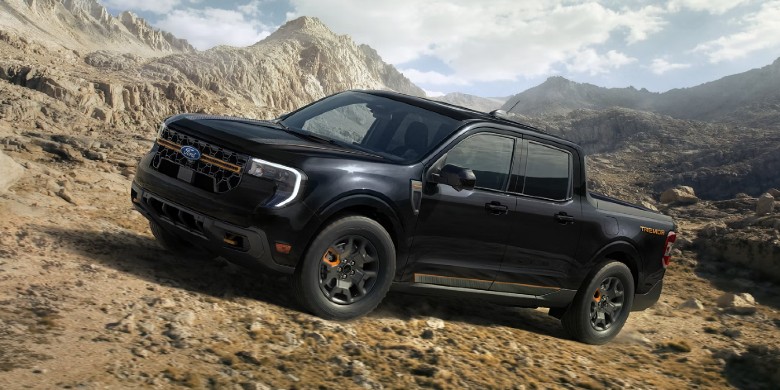
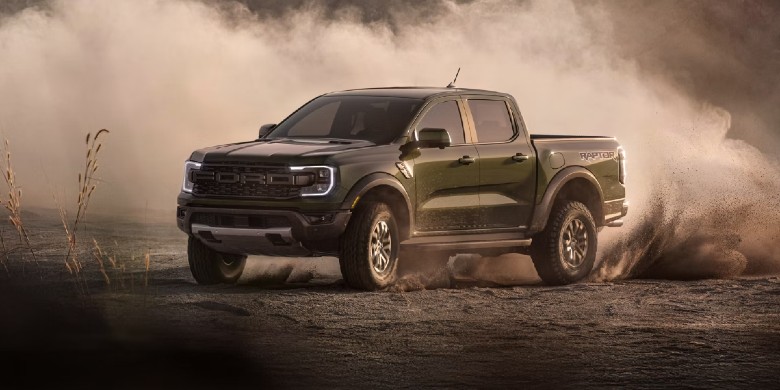
The 2026 Ford Maverick is 199.8 inches long and has a 121.1-inch wheelbase. The 2026 Ford Ranger is 210.6 inches long. The length difference between the Ranger and the Maverick is nearly 11 inches (10.8 inches) and impacts handling in a variety of driving situations, such as parking structures, residential garages, and parallel parking on city streets. The Maverick is roughly 5 inches narrower than the Ranger without side mirrors and is more agile overall.
The Ranger measures 73.9 inches wide, while the Maverick measures 68.8 inches. With 9.3 inches of ground clearance, the Ranger looks taller and more capable for off-road use than similar trim levels of the Maverick, which has 8.1 inches of ground clearance and is more appropriate for everyday use rather than off-road adventures.
Construction: Unibody and Body-on-Frame Vehicle Types
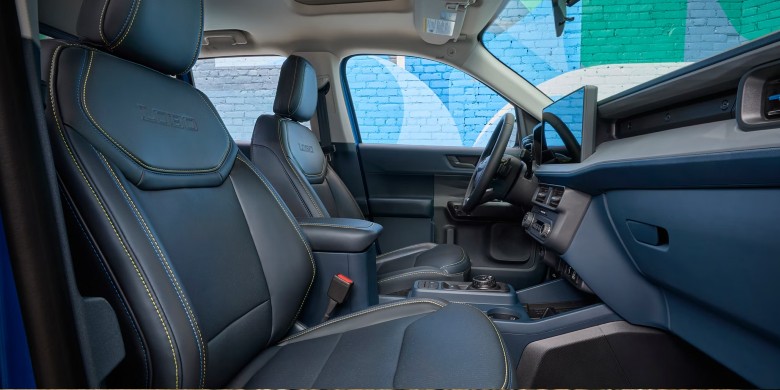
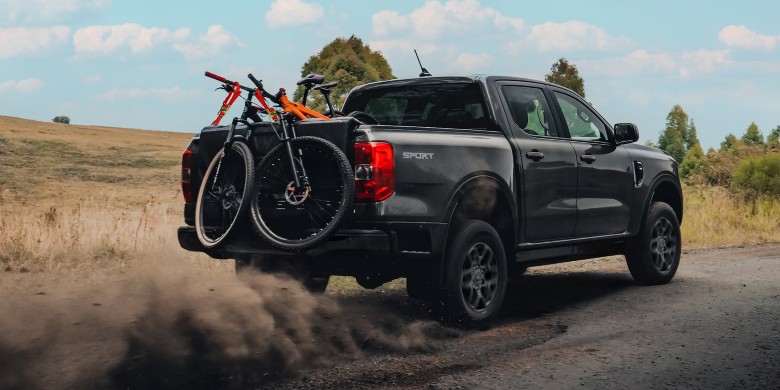
This is the main physical difference between the two vehicles and influences other attributes. The Maverick uses unibody construction, similar to the Ford Escape. Advantages of the unibody design for the Maverick include a quieter, more comfortable driving experience and other carlike qualities on the road. Disadvantages of the unibody design for the Maverick include less structural rigidity than a standard truck frame, which is more suitable for extended use.
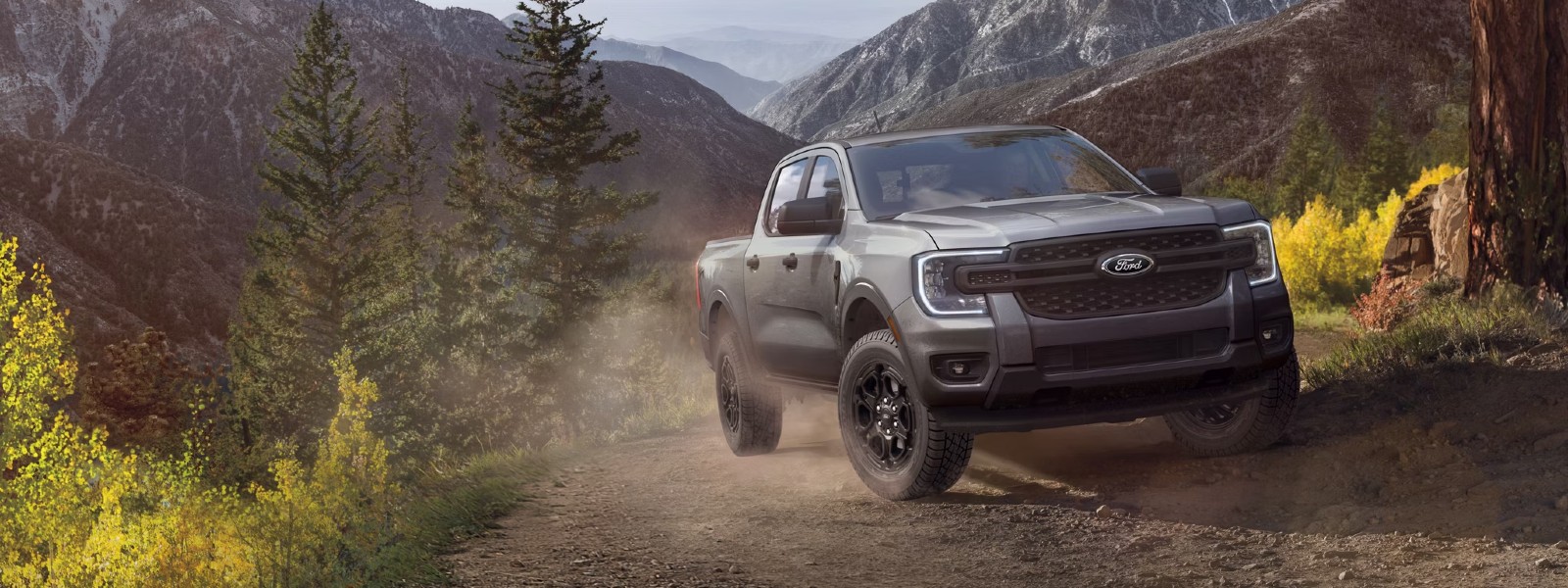
The Ranger has body-on-frame construction like a traditional truck. Benefits of body-on-frame construction include better towing and payload capacity, stability, and a better ride while towing. The Ranger is a better choice for regular truck use.
Powertrain and Fuel Economy Features: Standout Advantages of the Maverick Model
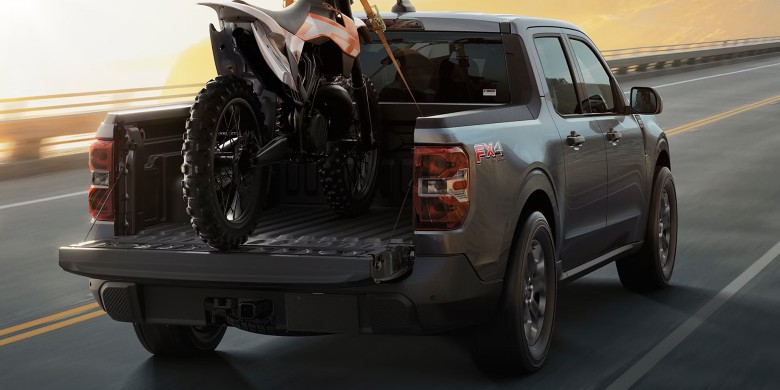
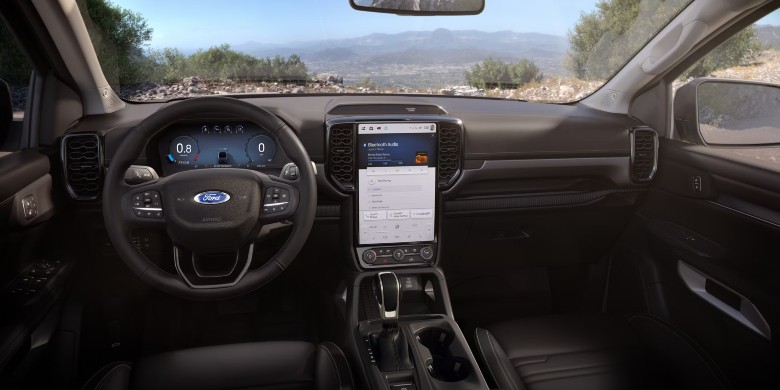
The 2026 Maverick comes standard with a 2.5-liter hybrid engine that produces 184 combined horsepower. EPA-estimated city, highway, and combined fuel economy ratings for the front-wheel-drive Maverick are 42 mpg city, 35 mpg highway, and 38 mpg combined. The Maverick’s strong fuel economy helps offset the cost of ownership for high-mileage drivers. An optional 2.0-liter EcoBoost four-cylinder engine with more power, 250 horsepower, has lower fuel economy.
The 2026 Ranger comes with a 2.3-liter EcoBoost inline-four engine producing 270 horsepower and 310 pound-feet of torque and a 10-speed automatic transmission as standard equipment. A 2.7-liter EcoBoost V6 engine with 315 horsepower and 400 pound-feet of torque is available as an option. The Ranger Raptor is equipped with a 3.0-liter EcoBoost V6 engine producing 405 horsepower and 430 pound-feet of torque. Standard fuel economy ratings for the Ranger are 21 city and 25 highway miles per gallon, roughly half the fuel economy of the hybrid Maverick. The Ranger’s lower fuel economy would add to fuel costs over the course of 15,000 miles driven per year.
Towing, Payload, and Bed Length: Pros of the Ranger Line of Vehicles
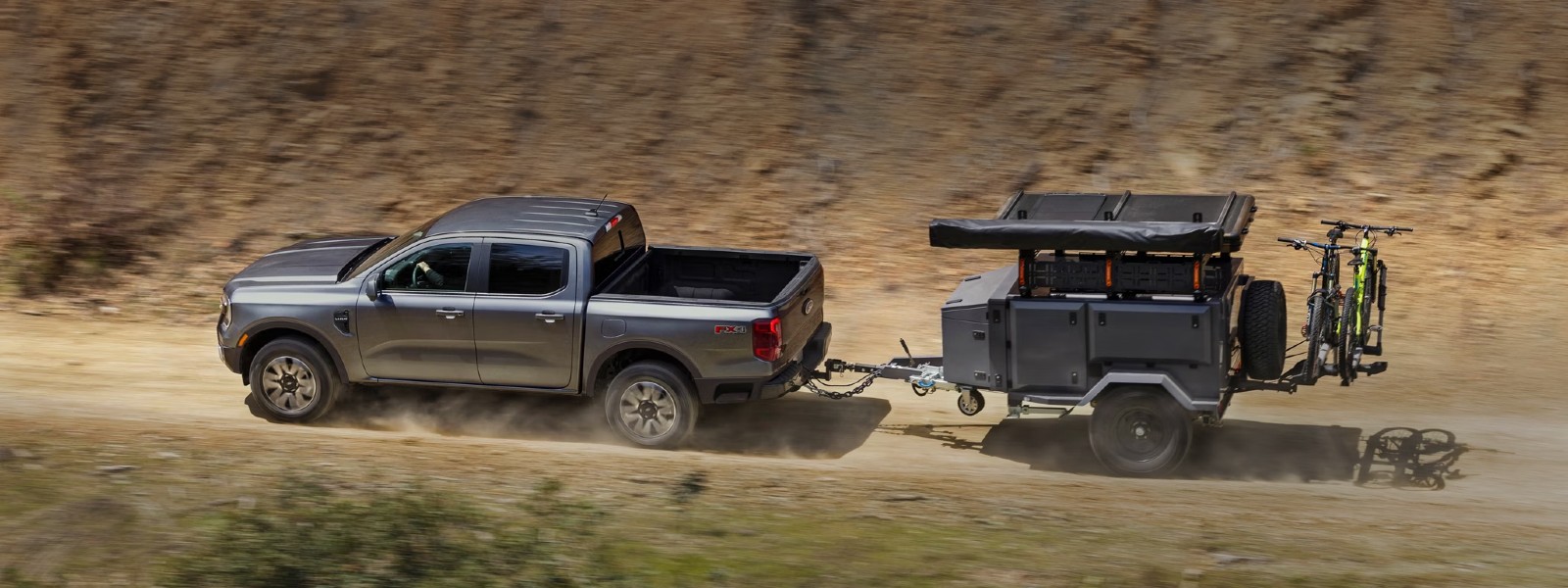
Maximum towing capacity for the 2026 Maverick is 4,000 pounds if equipped with the 4K Tow Package. Maximum towing capacity for the 2026 Ranger is 7,500 pounds with optional equipment, nearly twice the Maverick’s towing capacity. People who regularly tow boats or other recreational or utility trailers probably would not want to buy a Maverick.
Payload capacity is comparable. The Maverick has a maximum payload capacity of 1,500 pounds. The Ranger has a maximum payload capacity of 1,805 pounds in rear-wheel drive. The Ranger has a larger bed in all dimensions: 59.6 inches long, while the Maverick bed is 54.4 inches long; 48.2 inches wide between the wheel wells, while the Maverick is 42.6 inches wide between the wheel wells; and 43.5 cubic feet of total volume, while the Maverick has 33.3 cubic feet.
Price: Where the Maverick Saves You Money

The 2026 Maverick’s base price is $28,145. The base price of the 2026 Ranger is $33,350, and the base price of the 2026 Raptor is $57,270. Price comparisons with similar models show that the 2026 Maverick costs $5,000 to $7,000 less than the 2026 Ranger. Other advantages of buying a hybrid vehicle make the five-year cost of ownership for the 2026 Maverick significantly less than that for a 2026 Ranger if you don’t regularly need heavy towing or oversized payload capacity.
2026 Ford Maverick vs. 2026 Ford Ranger Specs
Which Truck Best Fits Your Needs?
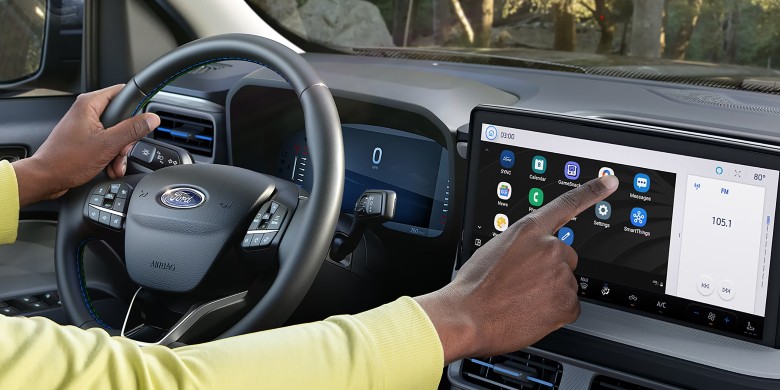
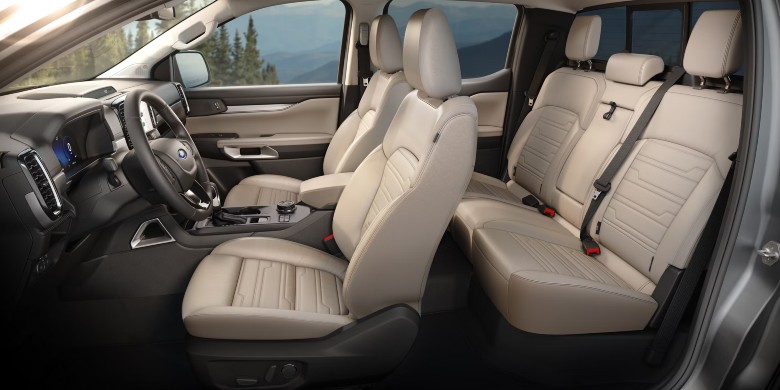
Choose the Maverick if you will primarily use your truck for work transportation, need a smaller vehicle, have light work duties that a small truck can handle, and want predictable fuel costs. Choose the Ranger if you need to tow or carry heavy loads often and want other advantages of a body-on-frame design typical of conventional midsize work trucks.
- You will primarily use your truck for work transportation
- You need a smaller vehicle
- You have light work duties that a small truck can handle
- You want predictable fuel costs
- You need to tow or carry heavy loads often
- You want the advantages of a body-on-frame design
- You want a conventional midsize work truck
Maverick vs. Ranger FAQ
0 comment(s) so far on Ford Maverick vs. Ford Ranger: Which Compact Truck Fits Your Life?