

Ford Dealership Warning Lights Explained
Ford Dealership Warning Lights Explained
If you’ve ever had a dashboard light pop on during your drive, you know that little jolt of “Uh‑oh… what now?” It’s something drivers experience more often than they’d like to admit, and around Linquist Ford in Bettendorf, IA, customers ask about these lights all the time. Modern vehicles are smart—sometimes a little too smart—and they’re constantly monitoring systems you don’t see. When something needs attention, those Ford dashboard warning lights step in to alert you.
This guide breaks down what these lights mean, why a flashing light is different from a steady one, and when it’s time to schedule service. Think of it as a friendly walk‑through from a dealership that sees these situations every day.
Key Takeaways
- Dashboard lights are your vehicle’s way of communicating.
- A flashing light usually means immediate attention is needed.
- A steady light means schedule service soon.
- Searching for “Ford warning symbols explained” helps you understand what each light means, and what service is needed.
- Routine service keeps your Ford running at its best.
Why Dashboard Lights Matter
Ford designs its vehicles with layers of protection, and the dashboard is one of the most important. Those icons aren’t there to annoy you—they’re there to keep your ride running safely and efficiently. Whether it’s a simple reminder or a sign of a developing issue, understanding the Ford dashboard lights list can save you time, money, and stress.
Steady vs. Flashing Lights: What’s the Difference?
This is one of the most common questions drivers ask, and it’s a good one.
A steady lightA solid warning light usually means something needs attention soon, but it’s not an immediate emergency. Think of it as your vehicle tapping you on the shoulder. |
A flashing lightA flashing light is your vehicle waving both arms in the air. It means the issue could cause damage if you keep driving. When a light flashes—especially the check engine light—it’s best to pull over safely and contact a service department. |
At Linquist Ford, the team regularly sees both situations, and catching a problem early often prevents a much bigger repair later.
Common Ford Warning Lights and What They Mean
Below are some of the most frequently seen Ford maintenance warning indicators, explained in a way that makes sense whether you’re a seasoned driver or someone who just wants their car to “work without drama.”

|
1. Check Engine LightThe Ford check engine light meaning can range from a hanging gas cap to a misfire that needs immediate attention. Steady: Schedule service soon. Flashing: Stop driving and get help. This is one of the most misunderstood lights, and neglecting it can lead to expensive repairs. |

|
2. Battery/Charging System LightIf this icon appears, your vehicle may not be charging properly. It could be the alternator, battery, or wiring. Driving too long with this light on can leave you stranded, so it’s best to get it checked quickly. |
|
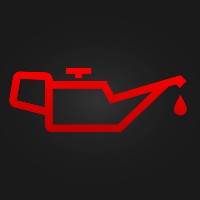
3. Oil Pressure Warning LightThis one’s serious. Low oil pressure can cause engine damage in minutes. If it appears, shut the engine off as soon as it’s safe and call for assistance. |

|
4. Brake System Warning LightThis light can indicate low brake fluid, worn brake pads, or a system malfunction. Brakes are not something to gamble with—get this checked right away. |

|
5. ABS Warning LightWhen the ABS light comes on, your anti‑lock braking system may not be functioning properly. Your vehicle will still brake, but it may not respond as well in slippery conditions. |

|
6. Tire Pressure Monitoring LightThis one pops up often, especially during temperature swings. Low tire pressure affects fuel economy, tire life, and safety. A quick adjustment usually solves it, but persistent issues may indicate a leak. |
|
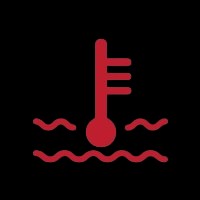
7. Coolant Temperature Warning LightIf this light appears, your engine may be overheating. Continuing to drive can cause major engine damage, so pull over and let the vehicle cool down. |
|
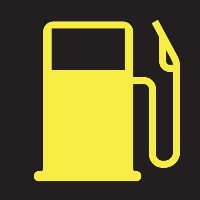
8. Low Fuel LightThis one’s simple but important. When the Low Fuel Light comes on, your Ford is letting you know the tank is running low—usually around the last 10–15%. It’s not an emergency, but driving too long with low fuel can strain the fuel pump and stir up sediment in the tank. A quick stop at the pump keeps everything running smoothly and prevents unnecessary wear. |
Why Getting Service Matters
|
It’s tempting to ignore a warning light, especially if the vehicle still “feels fine.” But here’s the truth: dashboard lights are early detection tools. They catch problems before you notice them. Getting service promptly helps you:
At Linquist Ford, technicians use advanced diagnostic tools designed specifically for Ford vehicles. They can pinpoint the issue quickly and get you back on the road with confidence. |

|
Need Help With a Dashboard Warning Light?
Our expert service team at Linquist Ford in Bettendorf is ready to diagnose and resolve any warning lights in your Ford. Don’t wait until a small issue becomes a major repair!
FAQ: Ford Dashboard Warning Lights
What should I do if a warning light comes on while driving?
Stay calm, check if the light is steady or flashing, and respond accordingly. Flashing lights usually require immediate attention.
Can I keep driving with the check engine light on?
If it’s steady, you can drive short distances to get it checked. If it’s flashing, pull over safely.
Why do dashboard lights come on when it’s cold?
Temperature changes can affect tire pressure, battery performance, and sensors.
Are all warning lights emergencies?
Not at all. Some are reminders, some are alerts, and a few are urgent. Knowing the difference helps you respond correctly.
Where should I go if I’m unsure what a light means?
Linquist Ford’s service team in Bettendorf can quickly and accurately diagnose any dashboard light.
Expert Ford Service in Bettendorf, IA
When a dashboard warning light appears in your Ford, trust our certified technicians to diagnose and resolve the issue quickly and accurately.