

Ford Bronco vs Bronco Sport: What’s the Difference?
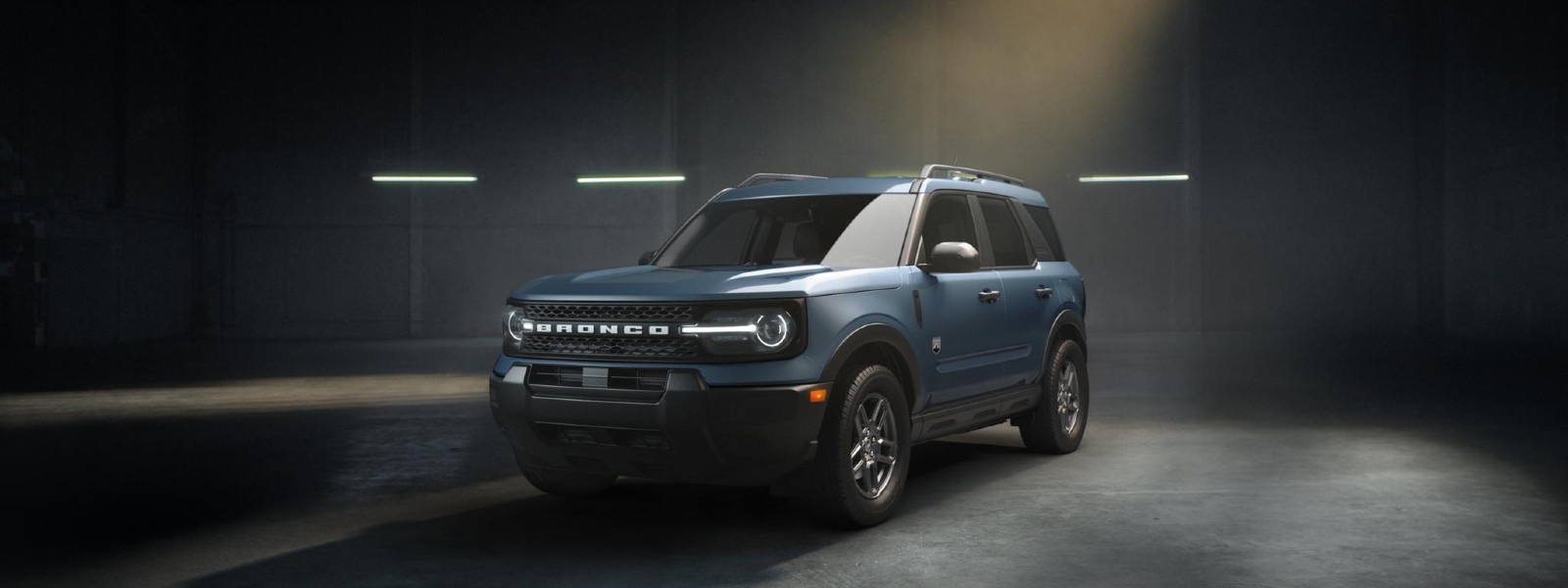
Key Takeaways
The short version, before you get into the details below.
Ford made a bold move when it brought the Bronco name back from retirement. What nobody expected was that it would come back as two completely different vehicles sharing the same iconic badge. That has created a genuinely interesting question for a lot of shoppers: which one is actually built for the way you live and drive? The answer matters more than most people realize before they start digging into the details.
Here’s the short version. These are not two versions of the same vehicle. They were designed with fundamentally different goals in mind, and understanding that distinction upfront will save you a lot of time and second-guessing later on.
Built Differently From the Ground Up
This is the part that surprises people most. The Bronco and the Bronco Sport do not share the same platform.
Body-on-Frame
The same rugged construction used in serious off-road vehicles like the Wrangler and the 4Runner. That architecture is specifically engineered to handle punishment, flex over obstacles, and survive the kind of terrain that would stop most vehicles cold.
Unibody
The same approach used in most modern crossovers and family SUVs. That’s not a criticism — it makes the Bronco Sport more comfortable to drive every day, easier to park, and more fuel efficient on the highway.
It just means the two vehicles are doing different jobs, even if they look related at first glance.
What the Full-Size Bronco Brings to the Table
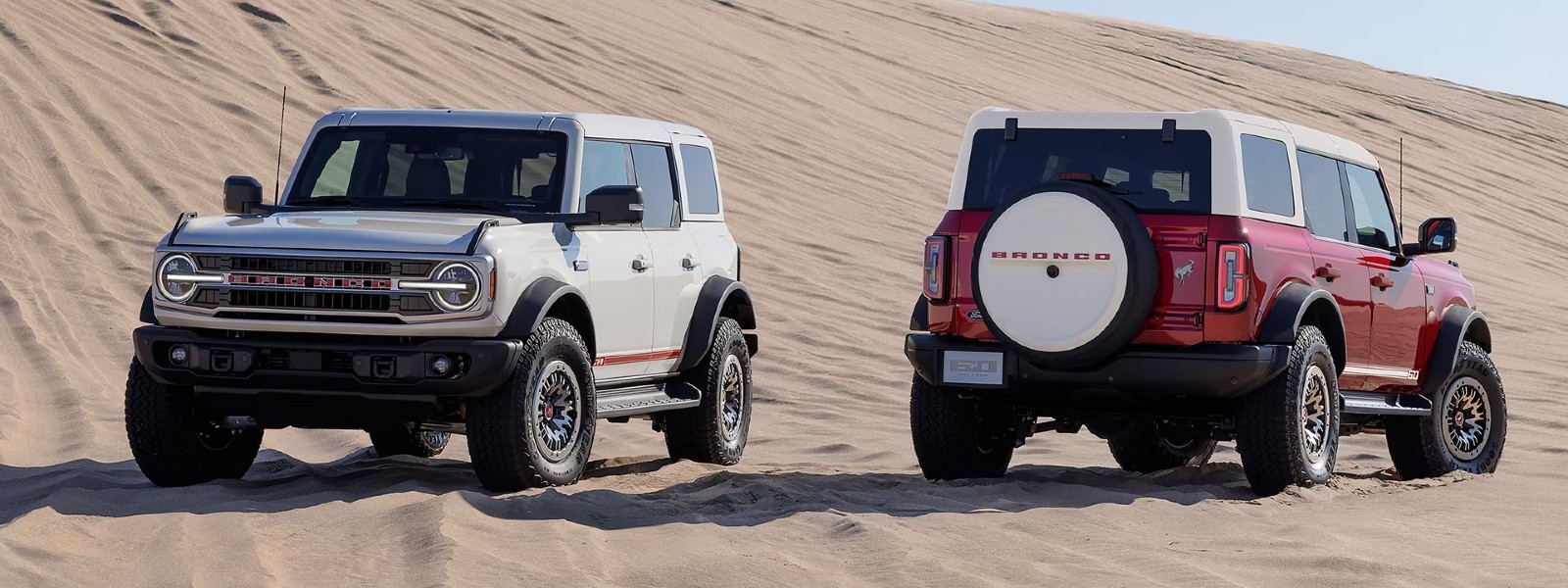
If serious off-road capability is your priority, the full-size Bronco is in a different category than almost anything else at this price point. Removable doors, a removable roof, a two-speed transfer case, and a sway bar disconnect system are features that most trail-ready vehicles charge a significant premium for. The Bronco makes them accessible across the lineup. You also get your choice of a two-door or four-door body style, which is a rare option in this segment.
The GOAT modes — which stands for Goes Over Any Type of Terrain — give drivers up to seven different terrain settings depending on the trim level. Mud, sand, rocks, slippery surfaces — each one gets its own calibration. Higher trims like the Badlands and the Wildtrak push the off-road performance even further with upgraded suspension, larger tires, and purpose-built hardware that serious wheelers actually notice.
One more thing worth mentioning: you can get the full-size Bronco with a seven-speed manual transmission. That is genuinely rare in today’s market, and it says a lot about what kind of driver Ford had in mind when it designed this vehicle.
Where the Bronco Sport Shines
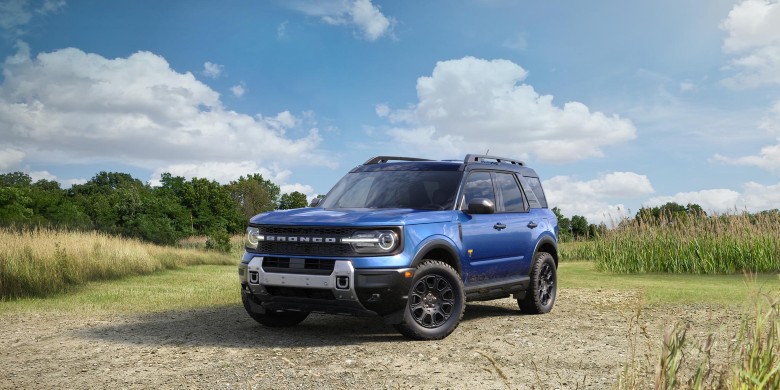
The Bronco Sport earns its place in the lineup by being legitimately capable without being intimidating. Most people who buy a rugged-looking SUV are not planning weekend rock crawling trips. They want something that handles a gravel road confidently, manages light trails without drama, and still feels comfortable on a ninety-minute highway drive. The Bronco Sport was built for exactly that kind of driver.
Its standard all-wheel-drive system with torque vectoring is smarter and more responsive than what you find in most compact SUVs. The Badlands trim takes things a step further with a hydraulic bump stop system and extra ground clearance, which puts it in serious territory for a unibody vehicle. And because the platform is shared with the Ford Escape, the interior is practical, the cargo space is genuinely useful, and the fuel economy is competitive.
For buyers who want the Bronco identity and some real off-road competence without committing to a full-size off-roader, the Sport makes a strong case.
Trim Levels and Where They Overlap
Both vehicles share some trim names, which adds to the confusion. Big Bend, Outer Banks, and Badlands all exist on both the Bronco and the Bronco Sport. The names are consistent, but the features attached to them are scaled to the capability of each platform. The Bronco Sport Badlands and the full-size Bronco Badlands are very different animals in terms of what they can handle. Keeping that in mind while you browse specs will help you compare things accurately.
The full-size Bronco also offers the Wildtrak and Raptor trims at the top of the range, which push performance and off-road tech to a level the Sport was never designed to match.
Do you want an SUV you can take off-road when the moment calls for it, or do you want a vehicle that lives for the trail and happens to be comfortable enough for daily use?
That distinction draws the line between these two better than any spec sheet can.
The Bronco Sport is a fantastic vehicle for drivers who want adventure capability without giving anything up in everyday practicality. The full-size Bronco is for buyers who want the trail to be the priority, and everything else is secondary.
Both are excellent. Both carry a name with serious heritage behind it. The team at Lindquist Ford can walk you through the full lineup in person and help you find the configuration that actually fits how you drive.
Frequently Asked Questions
Answers to what Bronco shoppers ask us most.
Is the Bronco Sport just a smaller version of the full-size Bronco?
No. They don’t share a platform. The full-size Bronco is body-on-frame like a Wrangler, while the Bronco Sport is unibody, like a crossover. They’re built for different priorities, even though they share styling and a name.
Can the Bronco Sport still handle light off-roading?
Yes. Standard all-wheel-drive with torque vectoring handles gravel roads and light trails confidently, and the Badlands trim adds a hydraulic bump stop system and extra ground clearance for more serious terrain.
Does the full-size Bronco really come with a manual transmission?
Yes, a seven-speed manual is available on the full-size Bronco — a rare option in today’s market and a clear signal of who Ford built this vehicle for.
What do the GOAT modes actually do?
GOAT stands for “Goes Over Any Type of Terrain.” Depending on trim, the full-size Bronco offers up to seven terrain settings — including mud, sand, rocks, and slippery surfaces — each with its own calibration.
If Big Bend, Outer Banks, and Badlands exist on both models, what’s actually different?
The trim name signals a feature level, not identical capability. A Bronco Sport Badlands and a full-size Bronco Badlands are tuned very differently — the full-size version is built for far more demanding terrain.
How do I decide which one is right for me?
Ask yourself whether off-roading is an occasional feature you want access to, or the main reason you’re buying the vehicle. The Lindquist Ford team can walk you through both in person and help match you to the right configuration.